Getting Local with Garden-to-Glass Craft Cocktails
Seasonal, locally sourced ingredients find their way into the cocktail shaker at Chartreuse
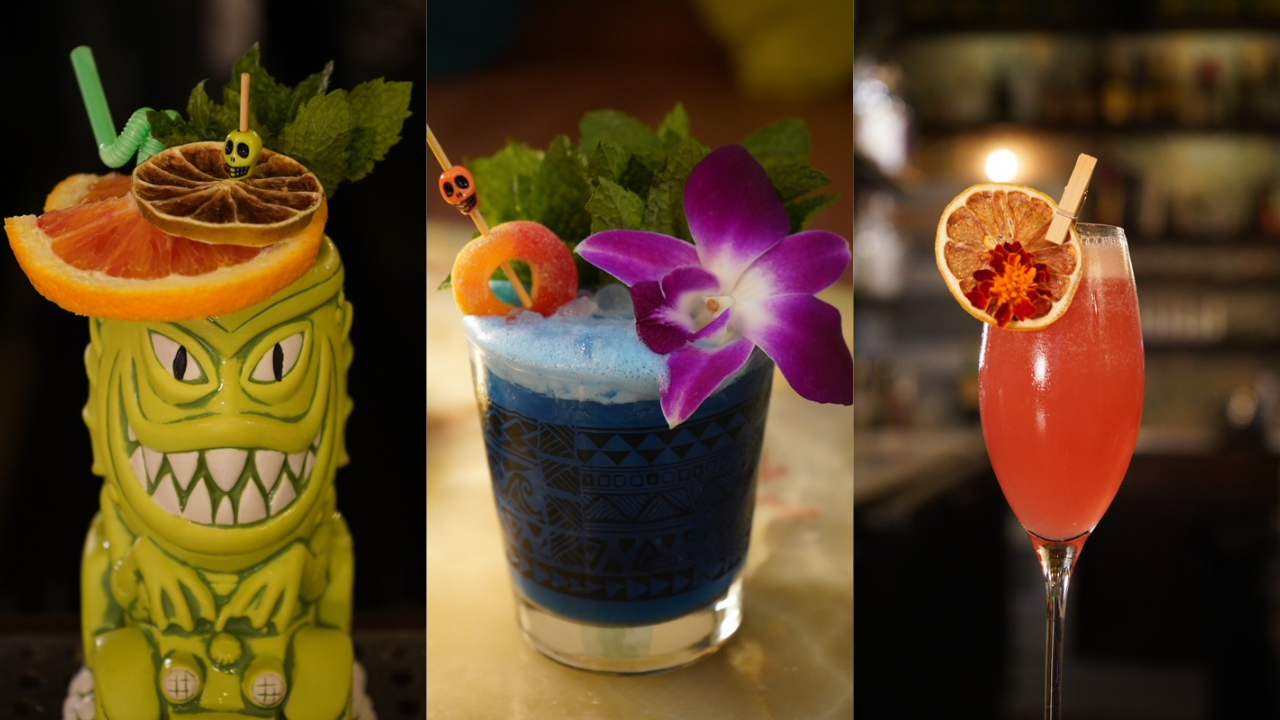
(L to R): Mara Amu (fresh citrus and passionfruit with local mint garnish); Bonita Blues (fresh citrus with homemade almond orgeat and peach cordial); Beautiful Stranger (homemade dehydrated lime and lemon wheels with local edible marigold flowers)
Chartreuse Craft Cocktail Lounge is the first (and only) craft cocktail bar in downtown Bonita Springs. From the outside, it looks unassuming enough. But when you walk through the door that impression dissolves. It's cozy, comfortable and dimly lit, with decor that’s swanky 1930s speakeasy meets Old Florida.
So that’s all pretty cool. And then you get the cocktail menu.
What’s in a glass?
Before going to Chartreuse, I had never heard of garden-to-glass or culinary cocktails. But it turns out that I was already a big fan of them: I like a Bloody Mary with enough garnishes that it could be deemed more snack than drink.
Today’s garden-to-glass cocktails encompass more than that traditional brunch favorite, and they're more than just a cool thing the bartenders at Chartreuse have mastered.
They are part of a broader, global shift toward seasonal ingredients, local sourcing and more culinary-inspired drinks. According to National Geographic Traveller, cocktail bars around the world are increasingly shaping drinks around seasons, local products and sustainability. A 2026 hospitality forecast also predicts more herbal, earthy and plant-based flavors on cocktail menus.
Local ingredients that change with the season
They don’t actually use the term “garden-to-glass” at Chartreuse. The world may just be waking up to the concept, but their bartenders have been turning bell peppers, cucumbers, watermelon, herbs and citrus into cocktail ingredients for the past five years.
“They’re all craft cocktails to us,” says Lauren Garchar, Chartreuse bartender and social media manager.
And at Chartreuse, creating craft cocktails starts with the season. This means what ends up in your glass is largely determined by the local produce available at that time.
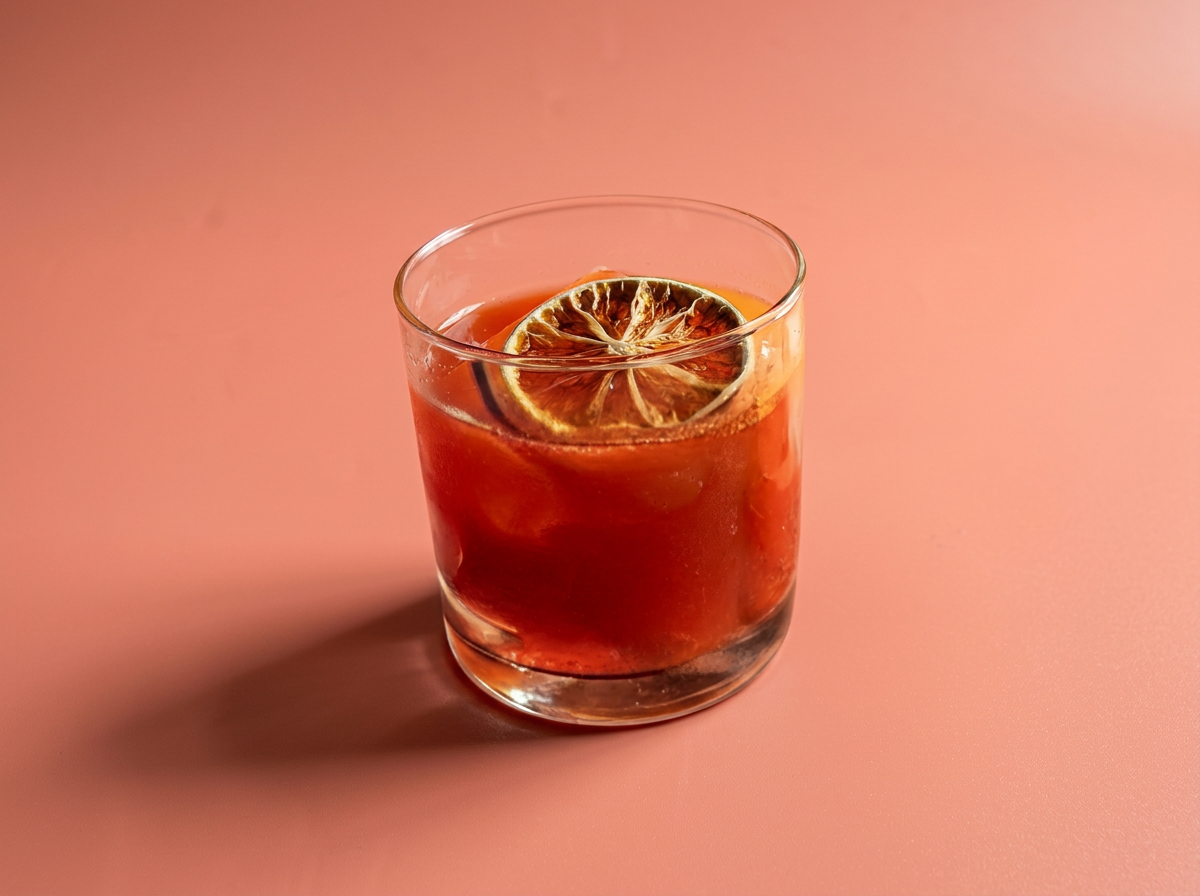
My favorite Chartreuse craft cocktail is from a few seasons past and was aptly named “Garden-to-Glass” (pictured here). This is the cocktail that started my culinary cocktail rabbit hole — so obviously, I had to ask Lauren, who created it, about it.
(Naturally) it’s one of her faves, too: “‘Garden-to-Glass’ is probably one of my favorite cocktails. It embodies every flavor I would want: herbal, citrus and that hint of spice.”
She explained that when they created it, red and yellow peppers were in season and really vibrant. They experimented with a red bell pepper syrup and a shrub before deciding that fresh juice produced the best result.
And just like that, red pepper juice became a key ingredient of their “Garden-to-Glass” cocktail, alongside tequila, herbal bitters, fresh citrus and passion fruit.
A balance that takes expertise to achieve
Garchar says Chartreuse stands by using locally sourced ingredients to make everything from scratch. Fresh citrus such as grapefruit, orange, lime, lemon and pineapple are staples. They then incorporate seasonal flavors that inspire the team and can be sourced consistently. Like in their summer menu which currently includes a raspberry cordial and cucumber and watermelon shrubs.*
*If you're like me and still wondering what exactly a cocktail “shrub” is, don’t worry, I asked. It’s not a bush. In cocktail-making, a shrub is simply a mixture of fruit or vegetables, sugar and vinegar.
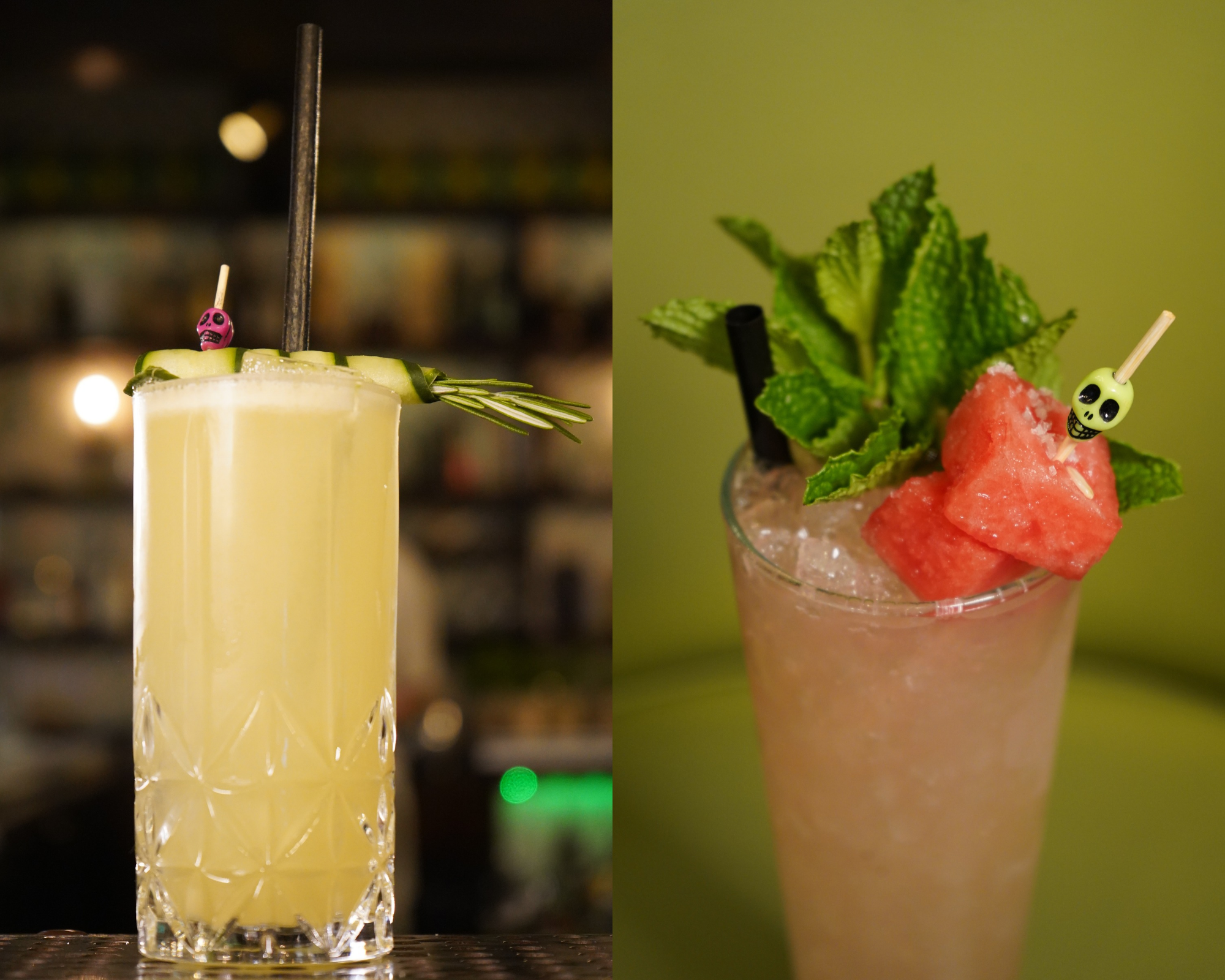
Pictured here are two drinks that use those shrubs: Spa Water (L) uses their cucumber shrub, while Watermelon & Salt (R) uses their watermelon shrub.
Each ingredient brings something different, be it acidity, sweetness, flavor or aroma, and getting all of those elements to play nicely together is where the craft comes in.
“You have to understand the balances, like acid to sugar and then obviously, alcohol ratio,” says Garchar. The bartenders measure the sugar levels of its homemade ingredients so they know exactly how much sweetness they're adding to a cocktail.
She says some of their craft cocktails have seven or eight “touches,” meaning that many different alcohols, syrups or other ingredients go into a single drink. Ice is another important factor to consider: Without the right molds or ice, dilution can quickly ruin the drink’s balance.
That's why making more elaborate craft cocktails at home can become a real undertaking — and why I’ve never attempted to recreate my favorites. By the time you've purchased several bottles of liquor, made a syrup, sourced fresh produce and figured out your ice situation, you might find yourself questioning your life decisions.
My advice: Spend $16 on a cocktail at Chartreuse and leave the heavy lifting (or pouring) to the professionals.
And an opportunity to be adventurous
Garden-to-glass craft cocktails might not be for everyone — and that’s okay. Garchar's advice for anyone who's unsure about trying an unconventional cocktail is simple: Trust your bartender.
“When you trust your bartender and let us be creative, that's when you get the best result,” she said. “A drink that's really curated for your taste buds.”
So the next time you find yourself staring at a cocktail menu wondering what, exactly, a cucumber shrub (or bell pepper juice) is doing in the drink, consider giving it a chance. And if you’re like me, you might be pleasantly surprised to discover that your favorite craft cocktail was inspired by the local farm.
(And no, Chartreuse did not pay me for this article. I like these craft cocktails that much. Photo credit goes to Lauren Garchar.)
